Modern homes rely heavily on appliances—refrigerators preserve food, washers clean clothes, ovens cook meals, and dishwashers save time. When one of these systems fails, daily routines are disrupted. Instead of replacing an expensive unit, appliance repair allows homeowners to restore functionality at a fraction of the replacement cost.
Professional appliance repair services help extend appliance lifespan, improve energy efficiency, and reduce safety risks caused by electrical or mechanical faults. In this complete guide, we’ll explain what appliance repair includes, how the process works, common repairs, costs, and when it’s time to call a professional.
What Is Appliance Repair and What Does It Include?
Appliance repair refers to the technical process of inspecting, diagnosing, and repairing household appliances that are malfunctioning. But what does appliance repair include exactly?
In most cases, appliance repair includes:
- Diagnosing appliance problems
- Replacing worn or broken parts
- Repairing mechanical components
- Repairing electrical systems
- Testing for proper and safe operation
Common Household Appliances Repaired
Home appliance repair typically covers:
- Refrigerators
- Ovens & stoves
- Dishwashers
- Washing machines
- Dryers
- Microwaves
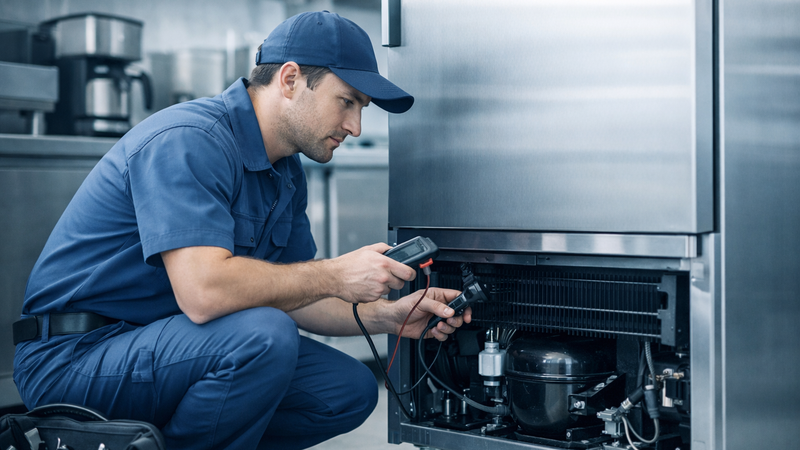
An appliance repair technician uses specialized tools to test voltage, check motors, inspect sensors, and identify internal faults. For example, if your refrigerator isn’t cooling, the technician may test the compressor, thermostat, and evaporator fan to isolate the issue.
If your washing machine won’t drain, the technician may inspect the drain pump, hoses, and control board.
Professional appliance repair focuses not just on fixing the immediate problem — but ensuring the appliance operates safely and reliably after the repair is complete.
How Does the Appliance Repair Process Work?
Understanding how appliance repair services work helps you know what to expect.
Step 1: Initial Call or Booking
You contact an appliance repair company and describe the issue:
- “My washer suddenly stops draining.”
- “My refrigerator is warm inside but the freezer still works.”
- “My oven won’t heat past 300 degrees.”
Some companies offer online booking or emergency appliance repair scheduling.
Step 2: Diagnostic Visit
A technician arrives and performs appliance troubleshooting. This may involve:
- Visual inspection
- Testing electrical components
- Checking mechanical parts
- Running diagnostic modes
Most companies charge a diagnostic fee, which often applies toward the repair if you approve it.
Step 3: Problem Identification & Estimate
Once the issue is identified, you receive a cost estimate covering:
- Parts
- Labor
- Any additional service fees
Clear pricing is a sign of a reputable appliance repair company.
Step 4: Repair Completion
If parts are available, the technician may complete the repair the same day. Otherwise, a follow-up visit is scheduled.
Step 5: Testing & Warranty
After the repair, the appliance is tested to ensure safe and proper operation. Many professional appliance repair providers offer warranties on parts and labor.
Most Common Appliance Repair Services
Appliance repair services cover a wide range of issues. Here are the most common categories homeowners encounter.
Refrigerator Repair
Refrigerators are among the most frequently serviced appliances.
Common problems include:
- Not cooling properly
- Ice maker not working
- Water leaking
- Loud clicking noises
- Compressor failures
If your fridge feels warm but the freezer still works, the issue may involve airflow or evaporator components.
Washer and Dryer Repair
Laundry appliances experience heavy wear.
Common washer problems:
- Not spinning
- Not draining
- Water leaking
Common dryer problems:
- Not heating
- Taking too long to dry
- Burning smell
These issues may involve belts, heating elements, motors, or sensors.
Oven and Stove Repair
Cooking appliances can develop both electrical and gas-related problems.
Common issues:
- Oven not heating evenly
- Burners not igniting
- Temperature inaccuracies
- Control panel not responding
Gas appliances require careful handling and licensed professionals.
Dishwasher Repair
Dishwashers often develop drainage or cleaning issues.
Typical complaints:
- Dishes still dirty after cycle
- Standing water at the bottom
- Strange noises
- Door not sealing properly
In many cases, pump motors, spray arms, or control boards require attention.
Home appliance repair ensures these everyday machines continue functioning safely and efficiently.
Signs You Should Call an Appliance Repair Technician
Some appliance issues require immediate attention. Contact a professional appliance repair technician if you notice:
- Appliance won’t turn on
- Burning smell
- Loud unusual noises
- Leaking water
- Electrical breaker tripping
- Food not cooling properly
⚠️ Safety matters. Appliances contain high-voltage components. Attempting repairs without proper knowledge can result in electric shock.
Gas appliances pose additional risks, including fire or carbon monoxide exposure. These situations require licensed professionals.
If you’re unsure, it’s safer to schedule professional appliance repair rather than attempt a risky DIY fix.
What Is Same-Day Appliance Repair?
Sometimes waiting isn’t an option.
What is appliance repair in urgent situations? It becomes emergency appliance repair.
Same-day appliance repair services are designed for critical breakdowns, such as:
- Refrigerator not cooling (food spoilage risk)
- Freezer failure
- Washer flooding
- Oven failure before a major event
When food safety or home safety is involved, speed matters.
A trusted appliance repair company can often provide rapid response for urgent cases. Many homeowners rely on same-day appliance repair services to minimize disruption and prevent secondary damage.
LOWL is known for prompt response times and professional appliance repair technicians who arrive prepared to diagnose and resolve issues quickly.
Should You Repair or Replace an Appliance?
Deciding between repair and replacement depends on several factors.
Consider the Age
Most major appliances last 8–15 years. If yours is near the end of its lifespan, replacement may make more sense.
The 50% Rule
If repair costs exceed 50% of the price of a new appliance, replacement may be the smarter financial decision.
Energy Efficiency
New ENERGY STAR® appliances use less electricity and water. You can learn more at:
https://www.energystar.gov/
Frequency of Breakdowns
If you’ve needed multiple repairs in the past year, replacement may offer better long-term value.
Warranty Coverage
Check whether parts are still covered under manufacturer warranty.
Professional appliance repair experts can help you evaluate the best option objectively.
Average Appliance Repair Costs
So what does appliance repair cost on average?
Pricing typically includes:
- Service call fee: Covers diagnosis
- Labor: Usually billed hourly
- Parts: Vary by brand and availability
Minor repairs like replacing a thermostat or belt are generally less expensive.
Mid-range repairs may involve:
- Drain pumps
- Heating elements
- Water valves
Major repairs may include:
- Electronic control board replacement
- Compressor replacement
- Sealed system work
Costs vary significantly depending on appliance brand, model complexity, and part availability.
A reputable appliance repair company will provide a clear estimate before beginning work.
How to Choose a Reliable Appliance Repair Company
Not all appliance repair services are equal. Use this checklist when selecting a provider:
- Licensed and insured
- Experience with your appliance brand
- Transparent pricing
- Warranty on parts and labor
- Positive customer reviews
Look for companies that employ professional appliance repair technicians with training in both mechanical and electrical systems.
LOWL stands out as a trusted appliance repair company known for dependable service and clear communication.
Conclusion
What is appliance repair? It is the professional process of diagnosing and fixing household appliances to restore functionality, safety, and efficiency. Appliance repair helps homeowners avoid costly replacements, extend appliance lifespan, and maintain safe home operation.
Whether you’re dealing with a refrigerator that won’t cool or a washer that won’t spin, timely professional appliance repair can prevent bigger problems.
If you need fast, reliable service, consider contacting LOWL for expert diagnostics and responsive support — including same-day service when available.