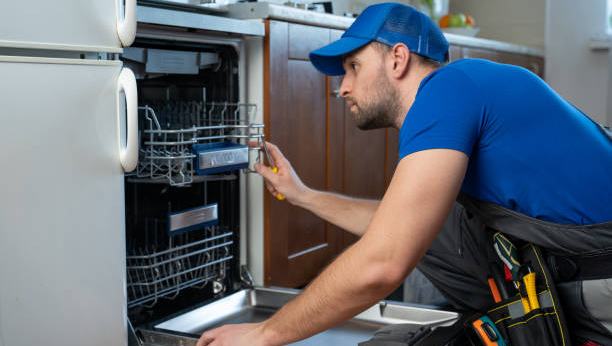
Dishwashers are complex appliances that combine electrical components, water supply lines, drainage systems, heating elements, and electronic control boards. Because they involve both water and electricity, it’s not always obvious which professional is the right choice.
The good news is that in most situations, the correct answer is a professional dishwasher repair specialist. However, there are specific cases where a plumber or electrician may be required instead.
This guide will explain exactly who to call for dishwasher repair based on the symptoms you’re experiencing, helping you avoid unnecessary service calls and get your appliance fixed quickly and safely.
Who to Call for Dishwasher Repair Based on the Problem
In the majority of cases, an appliance repair technician is the right professional to call.
Dishwashers are designed as integrated appliances. They include:
- Electrical systems
- Water inlet valves
- Drain pumps
- Heating elements
- Sensors and control boards
- Circulation motors
A trained technician specializing in dishwasher repair understands how all these systems work together. Professional dishwasher repair services can diagnose both mechanical and electronic issues without guessing.
If you’re unsure, scheduling professional dishwasher repair services is typically the safest first step.
When Is a Plumber Needed?
A plumber may be appropriate if:
- The main kitchen drain line is clogged
- There’s a broken water supply valve under the sink
- A pipe inside the wall is leaking
However, if the problem is inside the dishwasher unit itself, it usually falls under dishwasher repair service.
When Is an Electrician Needed?
An electrician may be required if:
- There is no power at the outlet
- The breaker repeatedly trips
- Wiring behind the wall is damaged
Still, most “dishwasher not turning on” issues are internal appliance problems handled by an appliance repair technician.
Dishwasher Problems and the Right Professional to Call
Let’s break down the most common dishwasher symptoms and who should handle them.
Dishwasher Not Draining
One of the most common complaints is dishwasher not draining. You open the door and find standing water at the bottom.
Possible causes include:
- Clogged drain pump
- Blocked filter
- Kinked drain hose
- Faulty drain motor
In most cases, this requires an appliance repair technician.
When would a plumber be necessary? Only if the main sink drain is backing up or the home’s plumbing line is blocked. If your sink drains normally but the dishwasher does not, it’s likely an internal appliance issue.
Dishwasher Leaking
If you notice water pooling under the unit, you may be dealing with a dishwasher leaking problem.
Common causes:
- Worn door gasket
- Cracked hose
- Faulty pump seal
- Loose internal connections
An appliance repair company should inspect the unit first.
Call a plumber only if:
- The water supply line under the sink is damaged
- A shutoff valve is broken
- There is pipe damage behind the wall
Internal leaks almost always require dishwasher repair service.
Dishwasher Not Turning On
A dishwasher not turning on can feel alarming. You press the start button — nothing happens.
Potential causes:
- Faulty control board
- Blown thermal fuse
- Defective door latch
- Failed power module
An appliance repair technician can test internal electrical components safely.
An electrician is needed only if:
- The outlet has no power
- The breaker trips immediately
- There is visible burned wiring
If the outlet works but the dishwasher doesn’t respond, call for dishwasher repair first.
Dishwasher Not Cleaning Dishes
If your dishwasher not cleaning dishes properly, the issue could involve:
- Clogged spray arms
- Weak circulation pump
- Low water temperature
- Heating element failure
You may notice cloudy glasses or food residue left behind.
This is a mechanical or heating issue within the unit and requires professional dishwasher repair.
Dishwasher Making Noise
Strange sounds are another sign something is wrong.
Common noises include:
- Grinding → Possible motor failure
- Buzzing → Pump obstruction
- Rattling → Loose internal parts
- Humming without water movement → Circulation issue
If your dishwasher making noise, it’s best to stop using it and contact an appliance repair technician before internal damage worsens.
When Dishwasher Problems Are Not Appliance Repairs
While most issues fall under dishwasher repair, some do not.
Call a Plumber If:
- The kitchen sink and dishwasher both back up
- The home’s drain line is clogged
- A pipe behind the wall is leaking
- The water shutoff valve under the sink is broken
Call an Electrician If:
- The dishwasher outlet has no power
- The breaker trips repeatedly
- There are signs of burned or melted wiring
⚠️ Safety Warning: Dishwashers operate on 120 volts of electricity while also connected to water lines. This combination creates a risk of electric shock. Never attempt to inspect internal wiring without proper training.
If you’re unsure, starting with an experienced appliance repair technician is often the safest approach.
Risks of DIY Dishwasher Repair
It may be tempting to search online tutorials and attempt DIY fixes. However, dishwasher repair can be risky.
Electrical Shock Hazards
Dishwashers contain high-voltage components and capacitors that store electricity even when unplugged.
Water Damage
Improper hose installation or seal replacement can cause hidden leaks that damage cabinets and flooring.
Voiding Manufacturer Warranty
Opening certain components may void the warranty.
Incorrect Diagnosis
You might replace the wrong part, only to discover the problem continues.
For example, you replace a drain pump because the dishwasher isn’t draining—but the real issue was a clogged air gap. Now you’ve spent money without fixing the root cause.
Professional appliance repair technicians use diagnostic tools and training to accurately identify the problem before replacing parts.
What to Expect from a Dishwasher Repair Service
When you schedule dishwasher repair service, here’s what typically happens:
- Diagnostic Visit
The technician inspects the appliance and tests key components. - Problem Identification
The faulty part is located—whether it’s the pump, control board, motor, or heating element. - Transparent Estimate
You receive a clear breakdown of parts and labor costs. - Repair or Part Replacement
If approved, the technician completes the repair. - Testing Cycle
The dishwasher runs through a test cycle to confirm proper operation.
Working with a trusted appliance repair company ensures the repair is handled safely and efficiently.
LOWL’s experienced appliance repair technicians specialize in diagnosing and repairing dishwashers of all major brands.
When to Schedule Same-Day Appliance Repair
Some dishwasher problems require urgent attention.
Consider same-day appliance repair services if:
- Water is leaking onto your kitchen floor
- You smell something burning
- The dishwasher trips the breaker repeatedly
- The unit completely fails before an event
Water damage can quickly affect cabinets and flooring, leading to costly repairs.
In urgent cases, same-day appliance repair helps prevent additional property damage and restores normal function quickly.
Is It Worth Repairing Your Dishwasher?
Before scheduling dishwasher repair, consider the appliance’s age and condition.
Average Lifespan
Most dishwashers last 8–12 years.
The 50% Rule
If repair costs exceed 50% of the price of a new dishwasher, replacement may be more cost-effective.
Energy Efficiency
New ENERGY STAR® dishwashers use less water and electricity. Learn more at:
https://www.energystar.gov/
Frequency of Breakdowns
If repairs have become frequent, replacement might provide better long-term value.
A professional dishwasher repair technician can help you evaluate whether repair or replacement makes financial sense.
Conclusion
So, who to call for dishwasher repair? In most cases, the correct answer is a professional appliance repair technician. Dishwashers combine electrical, plumbing, and mechanical systems—making specialized appliance expertise essential.
Plumbers and electricians are needed only in specific situations involving home plumbing or wiring outside the appliance itself.
For safe, accurate diagnosis and reliable dishwasher repair service, contacting experienced professionals is the smartest choice. If you need dependable support, LOWL provides expert service and timely solutions to get your kitchen running smoothly again.